Introduction
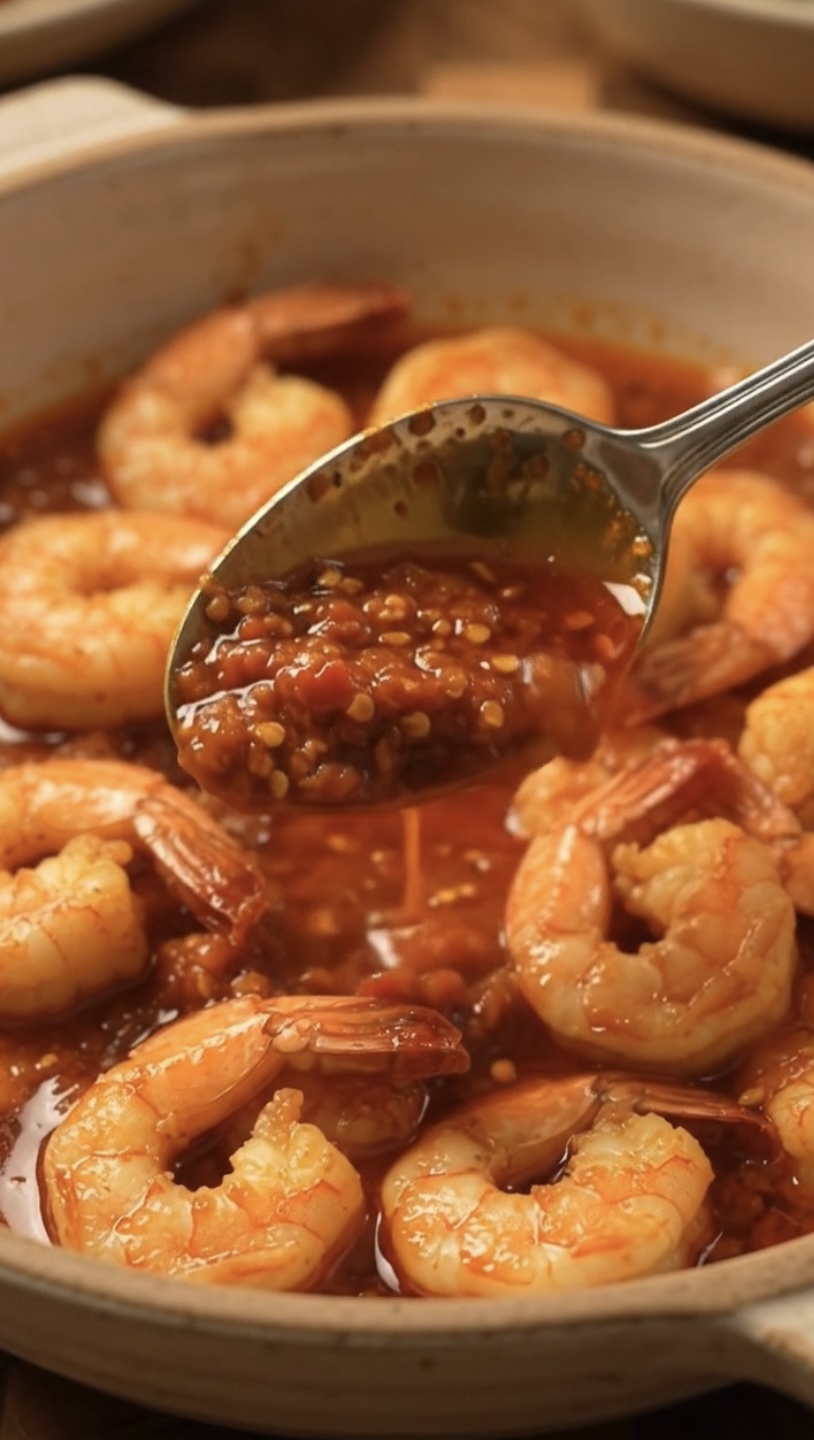
If you love food with real heat and depth, this spicy sambal shrimp recipe is about to become a new favorite. Sambal oelek, a fiery Indonesian chili paste, forms the backbone of a bold, garlicky sauce that coats tender shrimp in serious flavor, and the whole thing comes together in about 20 minutes.
I love this one because sambal brings a completely different kind of heat than the usual hot sauce or cayenne pepper — it’s fruity, garlicky, and deeply savory all at once, not just spicy for the sake of being spicy. Paired with a touch of sweetness to balance things out, this dish hits every note you want from a bold, memorable dinner.
Serve it over steamed rice to help temper the heat, or toss it with noodles for something a little different. However you serve it, this spicy sambal shrimp recipe brings serious, authentic heat to your table in a fraction of the time takeout would take.
Why You’ll Love This Recipe
- Bold, authentic heat — sambal oelek brings real depth, not just spice.
- Ready in about 20 minutes — a fast way to get big, complex flavor.
- One-pan simplicity — sear and sauce, all in the same skillet.
- Balanced flavor — a touch of sweetness keeps the heat from being one-note.
- Great for spice lovers — a genuine change of pace from milder shrimp dishes.
Ingredient Notes
Sambal oelek is a simple Indonesian chili paste made from ground chilies, vinegar, and salt, and it’s widely available in the international aisle of most grocery stores or at Asian markets. It’s considerably spicier and more straightforward in flavor than sriracha, so start with less than you think you need and adjust from there.
A touch of brown sugar or honey helps round out the heat from the sambal, keeping the dish from tasting purely spicy without any balance. Fresh garlic and ginger add aromatic depth, and using both fresh rather than powdered versions makes a real difference in how vibrant the finished sauce tastes.
For the shrimp itself, medium to large peeled and deveined shrimp sear quickly and evenly, which is ideal for this fast, high-heat method. Make sure to pat the shrimp dry before searing — any extra moisture will cause it to steam instead of getting that light golden color that adds extra flavor to the finished dish.
🌶️ Spicy Sambal Shrimp Recipe
Prep Time: 10 minutes | Cook Time: 10 minutes | Total Time: about 20 minutes Servings: 4
Ingredients
For the Shrimp:
- 1.5 lbs medium to large shrimp, peeled and deveined
- 1 tbsp neutral oil (vegetable or avocado oil)
- 1/2 tsp salt
- 1/4 tsp black pepper
For the Sambal Sauce:
- 1 tbsp neutral oil
- 5 cloves garlic, minced
- 1 tbsp fresh ginger, grated
- 3–4 tbsp sambal oelek (adjust to taste)
- 1 tbsp soy sauce
- 1 tbsp brown sugar (or honey)
- 1 tbsp rice vinegar
- 1/4 cup chicken broth
- 1 tbsp fresh lime juice
For Finishing:
- 2 tbsp chopped fresh cilantro
- 2 sliced green onions
- Lime wedges, for serving
For Serving:
- Cooked rice or noodles
Instructions
Step 1: Season and sear the shrimp. Pat the shrimp dry with paper towels, then toss with the oil, salt, and pepper. Heat a large skillet or wok over medium-high heat, add the shrimp in a single layer, and sear for about 1–2 minutes per side, until just pink and opaque. Tip: don’t overcrowd the pan — if needed, sear the shrimp in two batches so each piece gets good contact with the hot surface instead of steaming.
Step 2: Remove the shrimp. Transfer the seared shrimp to a plate and set aside. It’s okay if it’s slightly underdone at this point, since it will finish cooking later in the sauce.
Step 3: Sauté the aromatics. Reduce the heat to medium and add the remaining tablespoon of oil to the same skillet. Add the minced garlic and grated ginger, cooking for about 30–60 seconds, stirring constantly, until fragrant. Tip: keep the heat at medium here — garlic burns quickly, and burnt garlic will make the whole sauce taste bitter instead of aromatic.
Step 4: Build the sambal sauce. Stir in the sambal oelek, soy sauce, brown sugar, and rice vinegar, mixing well to combine. Let the mixture cook for about 1 minute, allowing the sugar to dissolve and the flavors to meld together.
Step 5: Add the broth. Pour in the chicken broth, stirring to combine, and let the sauce simmer for 2–3 minutes, until it starts to thicken slightly and coats the back of a spoon.
Step 6: Taste and adjust. Give the sauce a taste and adjust the sambal, sugar, or salt as needed to get the balance right between spicy, sweet, and savory. Tip: the sauce should taste bold and slightly intense on its own — it will mellow out once the shrimp is added.
Step 7: Return the shrimp to the pan. Add the seared shrimp back into the skillet along with any juices that collected on the plate, tossing gently to coat everything in the sambal sauce. Simmer for another 1–2 minutes, just until the shrimp is fully cooked through and well coated.
Step 8: Finish and serve. Remove the skillet from the heat and stir in the lime juice. Serve immediately over rice or noodles, garnished with chopped cilantro, sliced green onion, and extra lime wedges on the side.
Recipe Notes
- Sambal oelek varies quite a bit in heat level between brands, so start with the lower end of the amount called for and add more to taste.
- If the sauce gets too thick, thin it out with a splash of extra chicken broth or water.
- This sauce also works beautifully with chicken or firm tofu if you’d like to switch up the protein for a different night.
Nutrition Snapshot (Estimated, Per Serving)
- Calories: ~250
- Protein: ~26g
- Carbs: ~9g
- Fat: ~11g
These numbers are estimates based on standard ingredients and do not include rice or noodles served alongside. Actual values will vary depending on brands used and exact portion sizes.
Storage & Reheating
Leftovers will keep in an airtight container in the fridge for up to 3 days. Reheat gently on the stovetop over low heat, stirring occasionally, to avoid overcooking the shrimp — a splash of water or broth helps loosen the sauce back up if it’s thickened too much in the fridge.
This dish freezes reasonably well since the sauce isn’t cream-based, though the shrimp’s texture may soften slightly after thawing. Freeze in an airtight container for up to 2 months, and thaw overnight in the fridge before reheating gently on the stove.
Budget Note
This recipe runs about $4–5 per serving, with shrimp being the main cost driver. To keep it more budget-friendly, buy frozen shrimp in bulk bags rather than fresh from the seafood counter, and stretch the dish further by serving it generously over rice.
Variations
Healthier/Lighter Version: Reduce the brown sugar slightly and use a low-sodium soy sauce to lighten up the sauce without losing that bold, spicy flavor. Adding extra vegetables like bell pepper or snap peas also helps stretch the dish while keeping it nutritious.
Extra Spicy Version: Increase the sambal oelek, or add a sliced fresh Thai chili along with the garlic and ginger for even more heat. This version is not for the faint of heart, so proceed with caution and taste as you go.
Keto/Low-Carb Version: Swap the brown sugar for a keto-friendly sweetener and serve over cauliflower rice instead of regular rice to keep the whole dish low-carb. The sambal sauce itself is already fairly low in carbs.
Meal-Prep Friendly: Make a full batch and portion it into containers with rice for easy lunches throughout the week. Reheat gently on the stove or in short microwave bursts, stirring often, to keep the shrimp from turning tough.
Frequently Asked Questions
Can I make this ahead of time? Yes — you can prepare the sambal sauce base a day in advance and store it in the fridge, then reheat it gently and sear fresh shrimp to add in right before serving. This keeps the shrimp perfectly tender instead of overcooked from reheating twice.
What is sambal oelek and where can I find it? Sambal oelek is a simple, fiery Indonesian chili paste made from ground chilies, vinegar, and salt, commonly found in the international aisle of most grocery stores or at Asian markets. It’s a versatile condiment worth keeping on hand, since it adds bold heat to all kinds of dishes beyond just this one.
Is this dish very spicy? Yes, this recipe is intended to have real heat, though you can scale the sambal oelek up or down to match your spice tolerance. Serving it over a generous portion of rice also helps temper the heat if you find it too intense.
Can I use a different chili paste instead of sambal oelek? Sriracha or another chili-garlic sauce can work in a pinch, though the flavor will be noticeably different and generally sweeter than true sambal oelek. If you can find sambal, it’s worth using for the most authentic result.
What should I serve with spicy sambal shrimp? Steamed rice is the classic pairing, since it helps balance out the heat, while rice noodles or a simple cucumber salad also work well alongside. A cold drink on the side never hurts either, given the spice level.
Related Recipes
- Crockpot Creamy Coconut Curry Shrimp
- Buffalo Shrimp
- Cajun Garlic Butter Shrimp