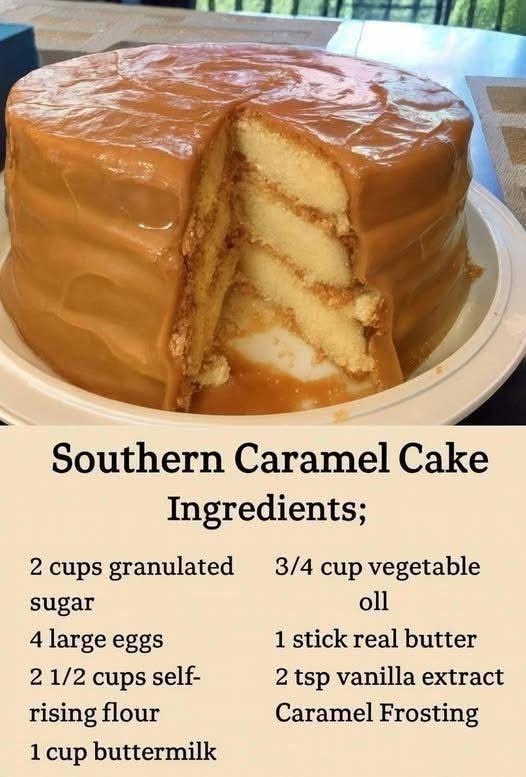
There are occasions in the kitchen when standard desserts simply will not do, and you crave a majestic, heritage-quality centerpiece that represents the absolute pinnacle of baking craftsmanship. Bringing together a tender, golden multi-layer buttermilk cake completely cloaked in a rich, buttery, old-fashioned cooked caramel frosting creates an absolute masterpiece. This southern caramel layer cake recipe transforms basic pantry staples into an unforgettable, showstopping masterpiece, offering a velvety, spreadable caramel icing that sets into a luscious, glossy coating over moist, tender cake layers.
Why You’ll Love This Recipe
- Authentic Heritage Tradition: Recreates the legendary Southern cooked caramel cake style that has been the star of family reunions, holidays, and celebrations for generations.
- Luscious Homemade Caramel Icing: Unlike powdered sugar frostings, a traditional cooked caramel icing provides an authentic, rich butter-and-sugar depth that melts on the tongue.
- Tender Buttermilk Layers: Incorporating buttermilk and self-rising flour yields a soft, moist, and stable cake structure capable of holding multiple rich layers.
- Showstopping Presentation: A stunning multi-tier cake covered in a thick, glossy caramel blanket that commands attention on any dessert table.
Ingredient Notes for the Southern Caramel Cake
The foundation of this traditional cake begins with quality baking staples. For the batter, you will need 2 cups of granulated sugar, 4 large eggs (at room temperature), 3/4 cup of vegetable oil, 1 stick of real unsalted butter (melted and cooled), 2 teaspoons of pure vanilla extract, 2 and 1/2 cups of self-rising flour, and 1 cup of buttermilk (which provides essential moisture and a delicate crumb structure).
For the signature caramel frosting, you will need a traditional stovetop formulation of rich butter, brown or granulated sugar, heavy cream or evaporated milk, a pinch of salt, and vanilla extract. Cooking the frosting to the precise softball or spreading stage ensures it coats the cake layers smoothly before setting.
[Recipe card placeholder – Jump to Recipe]
Step-by-Step Instructions
- Preheat and prep the pans: Preheat your oven to 350 degrees Fahrenheit (175 degrees Celsius). Grease and flour three 8-inch or 9-inch round cake pans, and line the bottoms with parchment paper circles to ensure the cake layers release cleanly.
- Cream the sugar and fats: In a large mixing bowl or stand mixer fitted with the paddle attachment, combine 2 cups of granulated sugar, 3/4 cup of vegetable oil, and 1 stick of melted real butter, beating on medium speed until smooth and fully incorporated.
- Add eggs and vanilla: Beat in 4 large eggs one at a time, mixing well after each addition, then stir in 2 teaspoons of pure vanilla extract until light and fragrant.
- Alternate dry ingredients and buttermilk: In a separate bowl, whisk together 2 and 1/2 cups of self-rising flour. Add the flour mixture to the wet ingredients in alternating batches with 1 cup of buttermilk, beginning and ending with flour, mixing just until combined.
- Bake the cake layers: Divide the batter evenly among your three prepared cake pans. Bake at 350°F for 25 to 30 minutes until a wooden toothpick inserted into the center comes out clean. Cool in pans for 10 minutes, then invert onto wire racks to cool completely.
- Prepare the cooked caramel frosting: In a heavy-bottomed saucepan, melt 1 cup of butter over medium heat. Stir in 2 cups of brown sugar and 1/2 cup of heavy cream (or evaporated milk), bringing the mixture to a gentle boil while stirring constantly.
- Simmer and thicken: Let the mixture simmer gently for 2 to 3 minutes, stirring continuously so it does not scorch. Remove from heat, stir in 2 teaspoons of vanilla extract, and let it cool slightly until it reaches a thick, spreadable consistency.
- Assemble and frost the cake: Place the first cake layer on a serving platter. Spread a generous amount of warm caramel frosting evenly over the top. Add the second layer, repeat, and top with the final cake layer. Quickly frost the top and sides of the entire cake with the remaining warm caramel icing, working swiftly before it sets completely. Slice and serve.
Nutrition Snapshot
Please note that nutritional values are approximate estimates calculated based on standard ingredient databases and will vary depending on exact portion sizes and brand ingredients used.
- Calories: 580 kcal per serving
- Protein: 6g
- Carbohydrates: 78g
- Fat: 28g
- Sodium: 420mg
Storage & Reheating Instructions
Traditional caramel cakes store remarkably well due to the rich sugar content in the frosting, which acts as a natural preservative. Cover the cake loosely with a cake dome or large inverted bowl and store at room temperature for up to 3 days, or refrigerate for up to 5 days. If refrigerated, let slices come to room temperature before serving so the caramel frosting softens back to its velvety texture.
Budget Note
Baking an elaborate, from-scratch heritage layer cake at home is a wonderful way to create a high-end bakery centerpiece for a fraction of the cost of ordering a custom specialty cake. Utilizing standard baking staples like flour, sugar, eggs, and butter keeps overall expenses exceptionally low while delivering maximum culinary impact.
Variations to Try
If you want to add a nutty crunch, press toasted chopped pecans or walnuts around the sides of the cake immediately after frosting while the caramel layer is still tacky.
For those who love a salted caramel twist, sprinkle a light dusting of flaky sea salt over the top caramel layer before it sets entirely.
If you prefer a deeper molasses undertone, substitute half of the granulated sugar in the frosting with dark brown sugar.
Frequently Asked Questions
Why did my caramel frosting set too hard before I could frost the cake? Cooked caramel frosting hardens rapidly as it cools. If it becomes too stiff while you are frosting, stir in a single tablespoon of warm heavy cream or milk over very low heat to loosen it back up to a spreadable consistency.
Can I make the cake layers ahead of time? Yes! You can bake the cake layers a day in advance, wrap them tightly in plastic wrap once cooled, and store them at room temperature or freeze them until you are ready to prepare the fresh caramel frosting and assemble the cake.
Do I have to use self-rising flour, or can I use all-purpose flour? Self-rising flour includes the precise amount of baking powder and salt needed for this cake structure. If using all-purpose flour, add 3 teaspoons of baking powder and 1/2 teaspoon of salt to the dry ingredients.
What is the best way to get smooth edges when frosting a caramel cake? Work quickly and use an offset spatula dipped in hot water (wiped dry) to smooth the warm caramel icing across the top and down the sides of the cake in sweeping motions.
Related Recipes
- Ultimate Crispy Honey Garlic Glazed Chicken Thighs
- Ultimate Creamy Garlic Butter Shrimp Fettuccine Alfredo
- Ultimate Cheesy Grilled Beef Quesarito Burrito