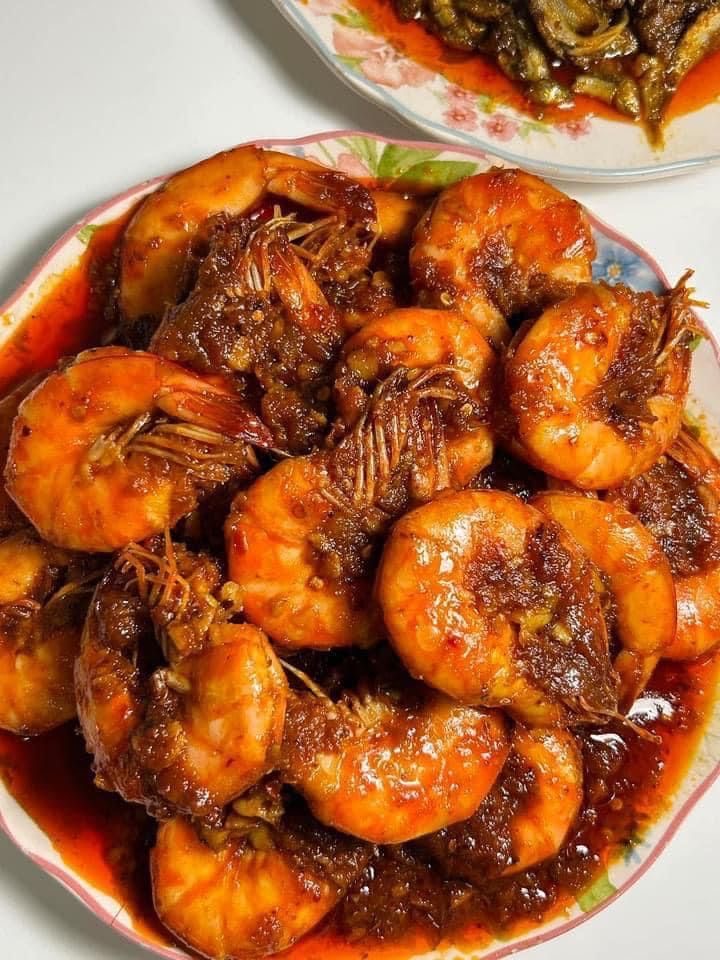
Few dishes ignite the senses quite like a sizzling plate of traditional Sambal Udang (Malaysian Chili Prawns). If you are searching for a vibrant, soul-satisfying meal packed with complex spice, rich aromatics, and incredible depth, this classic prawn dish is an absolute must-try. It combines sweet, juicy prawns with a thick, fragrant chili sambal sauce that clings to every single bite.
The key to this beloved Southeast Asian staple lies in slow-cooking the rempah (spiced chili paste). As fresh red chilies, shallots, garlic, lemongrass, and tamarind simmer together in hot oil, they release their essential oils and form a glossy, crimson reduction infused with fiery, sweet, and tangy notes.
Serve these gorgeous red prawns steaming hot over a mound of fragrant coconut rice (Nasi Lemak) or warm jasmine rice to absorb every last drop of the savory chili oil. It is bold, comforting, and deeply satisfying for anyone who craves real heat.
Why You’ll Love This Recipe
- Unbeatable Flavor Profile: Hits every tastebud with a harmonious balance of spicy chili, tangy tamarind, savory umami, and subtle sweetness.
- Quick Cooking Time: While the chili paste packs immense depth, the dish comes together in under 25 minutes once your aromatics are blended.
- Authentic Southeast Asian Staple: Brings the unmistakable comfort of traditional Malaysian and Indonesian home cooking directly to your kitchen.
- Meal-Prep Friendly Sauce: You can double the chili paste batch to store in the fridge for quick weeknight stir-fries.
Ingredient Notes
Using large, shell-on or partially peeled prawns adds tremendous depth to the final sauce. Cooking prawns with their shells on retains their natural juices and imparts rich seafood oil directly into the cooking chili paste. Trim off the sharp rostra and long feelers with kitchen shears, and make a shallow slit down the back to remove the dark vein before cooking.
The soul of the dish is the fresh sambal paste. A mix of fresh long red chilies (for vibrant color and moderate heat) and small bird’s eye chilies (for real fire) lets you customize the spice level perfectly. Fresh shallots, garlic, and ginger provide the aromatic base, while a small pinch of toasted shrimp paste (belacan) supplies an essential, deeply savory umami punch.
Tamarind paste (or tamarind concentrate) provides a characteristic fruity tartness that cuts through the heat and oiliness of the chili sauce. If tamarind is difficult to find, fresh lime juice mixed with a touch of brown sugar makes a suitable alternative. Palm sugar (gula melaka) or dark brown sugar balances the sharp chili heat and gives the sauce its signature shiny sheen.
[Recipe card goes here — assume the site plugin renders ingredients, steps, and a “Jump to Recipe” button in this spot]
Step-by-Step Instructions
- Prepare the Spice Paste (Rempah): Combine 8 fresh long red chilies, 3–4 small bird’s eye chilies (adjusted to taste), 5 medium shallots, 4 cloves garlic, 1 inch fresh ginger, and 1 teaspoon toasted shrimp paste (belacan) in a food processor or blender. Blend with 2 tablespoons of water or oil until a smooth, thick paste forms.Tip: Toasting the shrimp paste in a dry pan for 1–2 minutes before blending unleashes its full aromatic umami potential.
- Prep the Prawns: Wash 1.5 lbs (700g) of large prawns under cold water. Trim antennae and legs using kitchen shears. Make a slight slit along the back shell to remove the vein while keeping the shell intact. Pat dry thoroughly with paper towels.
- Cook the Chili Paste (Pecah Minyak): Heat 4 tablespoons of neutral oil (such as canola or peanut oil) in a wok or large skillet over medium heat. Add the blended chili paste and sauté continuously for 8–10 minutes until the paste darkens in color and the oil separates from the chili mixture (a technique known as pecah minyak).Tip: Don’t rush this step—allowing the oil to separate ensures the raw chili flavor burns off, resulting in a rich, smooth sambal.
- Season the Sambal: Stir in 1 tablespoon tamarind concentrate, 1.5 tablespoons palm sugar (or brown sugar), and 1/2 teaspoon salt. Mix well and let the sauce simmer gently for 2 minutes until glossy and fragrant.
- Toss and Flame-Sear: Increase heat to medium-high and toss in the prepped prawns. Stir-fry rapidly for 3–4 minutes until the prawns turn vibrant pink, opaque, and fully coated in the thick chili glaze. Remove from heat immediately to avoid overcooking. Serve hot garnished with sliced fresh red chili or scallions.Tip: As soon as the prawns curl into a tight “C” shape, they are perfectly cooked and ready to serve.
Nutrition Snapshot
- Calories: ~310 kcal
- Protein: 26g
- Carbohydrates: 12g
- Fat: 18g
(Note: These values are approximate estimates based on standard ingredient calculations per serving.)
Storage & Reheating
Store cooled leftover Sambal Udang in an airtight container in the refrigerator for up to 2 days. The flavors of the chili paste often deepen and become even more complex overnight.
Reheat gently in a small skillet over low heat with a splash of water to loosen the thick sambal glaze. Avoid over-microwaving, as rapid heating will cause the prawn meat to become rubbery.
Budget Note
This fiery seafood dish costs approximately $3.50 to $5.00 per serving. Buying frozen, whole shell-on prawns from local Asian grocers or bulk supermarkets offers significant cost savings. The chili paste ingredients (chilies, shallots, garlic, and spices) are very affordable pantry staples that yield big flavor for minimal expense.
Recipe Variations
- Peeled Shrimp Version: If you prefer mess-free dining, use peeled and deveined shrimp. Cook them for just 2–3 minutes in the finished sambal sauce to ensure they remain tender and succulent.
- Mild Sweet Sambal: Replace bird’s eye chilies completely with mild red bell pepper or extra sweet paprika powder blended into the paste. Add an extra teaspoon of sugar for a sweet, family-friendly mild chili sauce.
- Sambal Petai Udang (Stink Bean Addition): Stir in 1/2 cup of fresh or frozen petai (bitter beans / stink beans) when sautéing the chili paste for a deeply authentic, traditional regional variation.
- Keto / Low-Carb Option: Substitute the palm sugar with a low-carb granulated sweetener like monk fruit or erythritol to keep total carbs minimal while retaining sweet balance.
Frequently Asked Questions
What does pecah minyak mean and why is it important? Pecah minyak literally translates to “oil splitting.” It describes the stage when water evaporates from the chili paste and red-tinted oil separates around the edges of the skillet. This step cooks out the raw bite of the chilies and garlic, creating a velvety, preserved flavor base.
What can I use as a substitute for shrimp paste (belacan)? If shrimp paste is unavailable, substitute 1 tablespoon of fish sauce or 1 teaspoon of anchovy paste to achieve a similar deep, salty umami base.
How do I adjust the heat level of this dish? Deseed the fresh red chilies before blending to reduce the overall heat, or omit the small bird’s eye chilies entirely for a mild, rich sauce.
Can I make the Sambal chili paste ahead of time? Yes! You can cook a large batch of the chili paste (pecah minyak step) and store it in a glass jar in the fridge for up to 2 weeks, or freeze it for up to 3 months.
Related Recipes
- Malaysian Sambal Sotong (Chili Squid) — Tender squid rings simmered in a rich, savory red chili and onion reduction.
- Authentic Nasi Lemak — Fragrant coconut pandan rice served with boiled eggs, roasted peanuts, crispy anchovies, and fresh sambal.
- Spicy Indonesian Beef Rendang — Slow-cooked tender beef simmered in coconut milk, lemongrass, and aromatic roasted spices.