Introduction
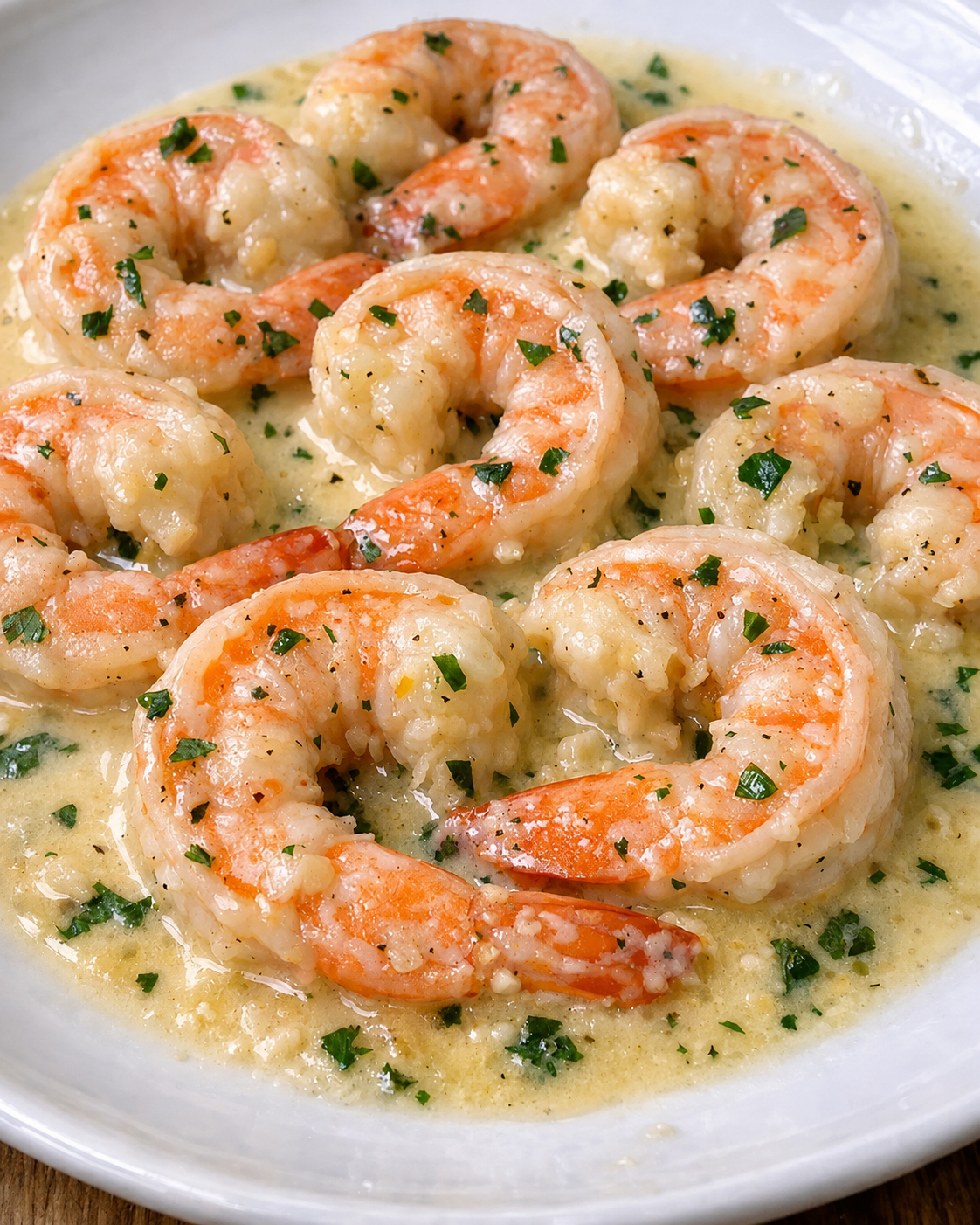
Few dishes feel as timelessly elegant as shrimp scampi, and this version brings that classic garlic butter sauce home in about 20 minutes flat. Plump shrimp gets seared until just pink, then bathed in a glossy sauce built from butter, garlic, white wine, and a bright squeeze of lemon — simple ingredients that somehow add up to something that tastes far more impressive than the effort it takes.
I love this one because it’s proof that some of the best dishes really are the simplest. There’s no long ingredient list, no complicated technique, just good butter, fresh garlic, and shrimp cooked exactly right, finished with a scattering of fresh parsley that makes the whole plate look like it came straight from an Italian restaurant.
Serve it over pasta for the classic combination, or spoon it over rice or alongside crusty bread for soaking up every last bit of that buttery, garlicky sauce. However you plate it, this shrimp scampi recipe is a genuine go-to for busy weeknights and special dinners alike.
Why You’ll Love This Recipe
- Classic, elegant flavor — garlicky, buttery, and bright with lemon and wine.
- Ready in about 20 minutes — impressive results without a long time commitment.
- One-pan simplicity — sear the shrimp, build the sauce, all in the same skillet.
- Minimal ingredients — pantry staples and fresh shrimp do all the work.
- Perfect for entertaining — feels restaurant-quality but comes together easily.
Ingredient Notes
Good-quality butter is essential here since it’s such a prominent flavor in this dish — European-style butter, which has a slightly higher fat content, makes a noticeable difference if you want to splurge a little. Using a mix of butter and a touch of olive oil at the start also helps prevent the butter from burning while you sear the shrimp.
Dry white wine adds depth and a subtle acidity that balances the richness of the butter, and something you’d actually enjoy drinking (like a Sauvignon Blanc or Pinot Grigio) works best, since the flavor concentrates as it cooks down. If you’d rather skip the wine entirely, extra chicken broth with a splash of additional lemon juice makes a reasonable substitute.
For the shrimp itself, look for shrimp with the tails left on, which is traditional for scampi and also makes for an easier, more elegant presentation. Make sure to pat the shrimp completely dry before searing — any leftover moisture will cause it to steam instead of getting that light golden color that adds so much flavor to the finished sauce.
🍤 Shrimp Scampi Recipe
Prep Time: 10 minutes | Cook Time: 10–12 minutes | Total Time: about 20 minutes Servings: 4
Ingredients
For the Shrimp:
- 1.5 lbs large shrimp, peeled and deveined, tails on
- 1 tbsp olive oil
- 1/2 tsp salt
- 1/4 tsp black pepper
For the Scampi Sauce:
- 5 tbsp unsalted butter, divided
- 6 cloves garlic, minced
- 1/4 tsp red pepper flakes (adjust to taste)
- 1/2 cup dry white wine
- 1/4 cup chicken broth
- 3 tbsp fresh lemon juice
- 1/4 tsp salt, plus more to taste
- 1/4 tsp black pepper
For Finishing:
- 3 tbsp chopped fresh parsley
- Extra lemon wedges, for serving
For Serving:
- 12 oz linguine or pasta of choice, cooked (optional)
- Crusty bread, for serving
Instructions
Step 1: Season and sear the shrimp. Pat the shrimp completely dry with paper towels, then toss with olive oil, salt, and pepper. Heat a large skillet over medium-high heat, add the shrimp in a single layer, and sear for about 1–2 minutes per side, until just pink and opaque. Tip: don’t overcrowd the pan — if your skillet is small, sear the shrimp in two batches so each piece gets good contact with the hot surface instead of steaming.
Step 2: Remove the shrimp. Transfer the seared shrimp to a plate and set aside. It’s okay if it’s slightly underdone at this point, since it will finish cooking later in the sauce.
Step 3: Build the garlic base. Reduce the heat to medium and add 3 tablespoons of the butter to the same skillet. Once melted, add the minced garlic and red pepper flakes, cooking for about 30–60 seconds, stirring constantly, until fragrant. Tip: watch the garlic closely here — it can burn quickly, and burnt garlic will make the whole sauce taste bitter instead of savory.
Step 4: Add the wine and deglaze. Pour in the white wine, scraping up any browned bits stuck to the bottom of the skillet with a wooden spoon. Let it simmer for 2–3 minutes, until the wine has reduced by about half and the sharp alcohol smell has mellowed.
Step 5: Add the broth and lemon. Stir in the chicken broth, lemon juice, salt, and pepper. Let the sauce simmer for another 2–3 minutes, until it starts to reduce slightly and come together into a cohesive sauce.
Step 6: Finish with butter. Remove the skillet from the heat and swirl in the remaining 2 tablespoons of butter until fully melted and glossy. This final addition of cold butter (a technique called mounting the sauce) gives scampi sauce its classic silky, rich finish.
Step 7: Return the shrimp to the pan. Add the seared shrimp back into the skillet along with any juices that collected on the plate, tossing gently to coat everything in the sauce. Warm through for 1–2 minutes, just until the shrimp is fully cooked and heated through.
Step 8: Garnish and serve. Stir in the chopped fresh parsley, then serve immediately over pasta, with crusty bread, or on its own. Garnish with extra lemon wedges on the side for anyone who wants an extra pop of brightness.
Recipe Notes
- If you prefer not to cook with wine, substitute an equal amount of additional chicken broth plus an extra teaspoon of lemon juice for a similar depth of flavor.
- Avoid boiling the sauce vigorously once the butter is added at the end, since high heat can cause the sauce to break instead of staying smooth and glossy.
- This sauce is also delicious tossed with steamed vegetables if you want a lighter way to enjoy the same flavors.
Nutrition Snapshot (Estimated, Per Serving)
- Calories: ~340
- Protein: ~26g
- Carbs: ~3g
- Fat: ~23g
These numbers are estimates based on standard ingredients and do not include pasta or bread served alongside. Actual values will vary depending on brands used and exact portion sizes.
Storage & Reheating
Leftovers will keep in an airtight container in the fridge for up to 2 days. Reheat gently on the stovetop over low heat, stirring occasionally, being careful not to overheat, since shrimp can quickly turn tough when reheated too aggressively.
This dish isn’t a great candidate for freezing, since the butter-based sauce can separate once thawed and the shrimp’s texture suffers. If you’d like to prep ahead, the sauce base (before the final butter and shrimp are added) can be made a few hours in advance and gently reheated before finishing.
Budget Note
This recipe runs about $4–5 per serving, with shrimp being the main cost driver. To keep it more budget-friendly, buy frozen shrimp in bulk bags rather than fresh from the seafood counter, and use an inexpensive but drinkable white wine rather than splurging on a pricier bottle, since the flavor difference is minimal once it’s cooked down.
Variations
Healthier/Lighter Version: Reduce the butter slightly and add an extra splash of chicken broth to lighten the sauce while still keeping plenty of garlicky flavor. This version is already fairly light as written, so this swap mostly trims a bit more fat.
Keto/Low-Carb Version: This recipe is naturally low-carb as written, especially when served over zucchini noodles or a simple side of sautéed greens instead of pasta. Just skip the bread on the side if you’re watching carbs closely.
Spicy Version: Increase the red pepper flakes for extra heat, or add a small pinch of cayenne pepper along with the garlic for an even bolder kick. This pairs nicely with the bright acidity of the lemon and wine.
Meal-Prep Friendly: Make a full batch and portion it into containers with pasta for easy lunches throughout the week. Reheat gently on the stove or in short microwave bursts, stirring frequently, to keep the shrimp from turning tough.
Frequently Asked Questions
Can I make this ahead of time? You can make the sauce base a day in advance and store it in the fridge, then reheat it gently and sear fresh shrimp to add in right before serving. This keeps the shrimp perfectly tender instead of overcooked from reheating twice.
What can I use instead of white wine? Extra chicken broth with a splash of additional lemon juice makes a good non-alcoholic substitute, giving a similar depth of flavor without the wine. The sauce will taste slightly less complex, but still delicious.
Why did my sauce turn out oily instead of creamy? This usually happens when the butter is added over heat that’s too high, causing it to separate rather than emulsify into a smooth sauce. Remove the pan from the heat before swirling in the final butter, and avoid boiling the sauce vigorously afterward.
Can I use frozen shrimp? Yes — just make sure it’s fully thawed and patted very dry before searing, since excess moisture will prevent a good sear and can water down the sauce. Thaw it overnight in the fridge or under cold running water if you’re short on time.
What should I serve with shrimp scampi? Linguine or angel hair pasta are the classic pairings since they soak up the sauce beautifully, but rice, crusty bread, or a simple green salad all work wonderfully too. A glass of the same white wine used in the sauce makes a nice pairing at the table.
Related Recipes
- Creamy Garlic Shrimp
- Marry Me Shrimp
- Lemon Herb Shrimp