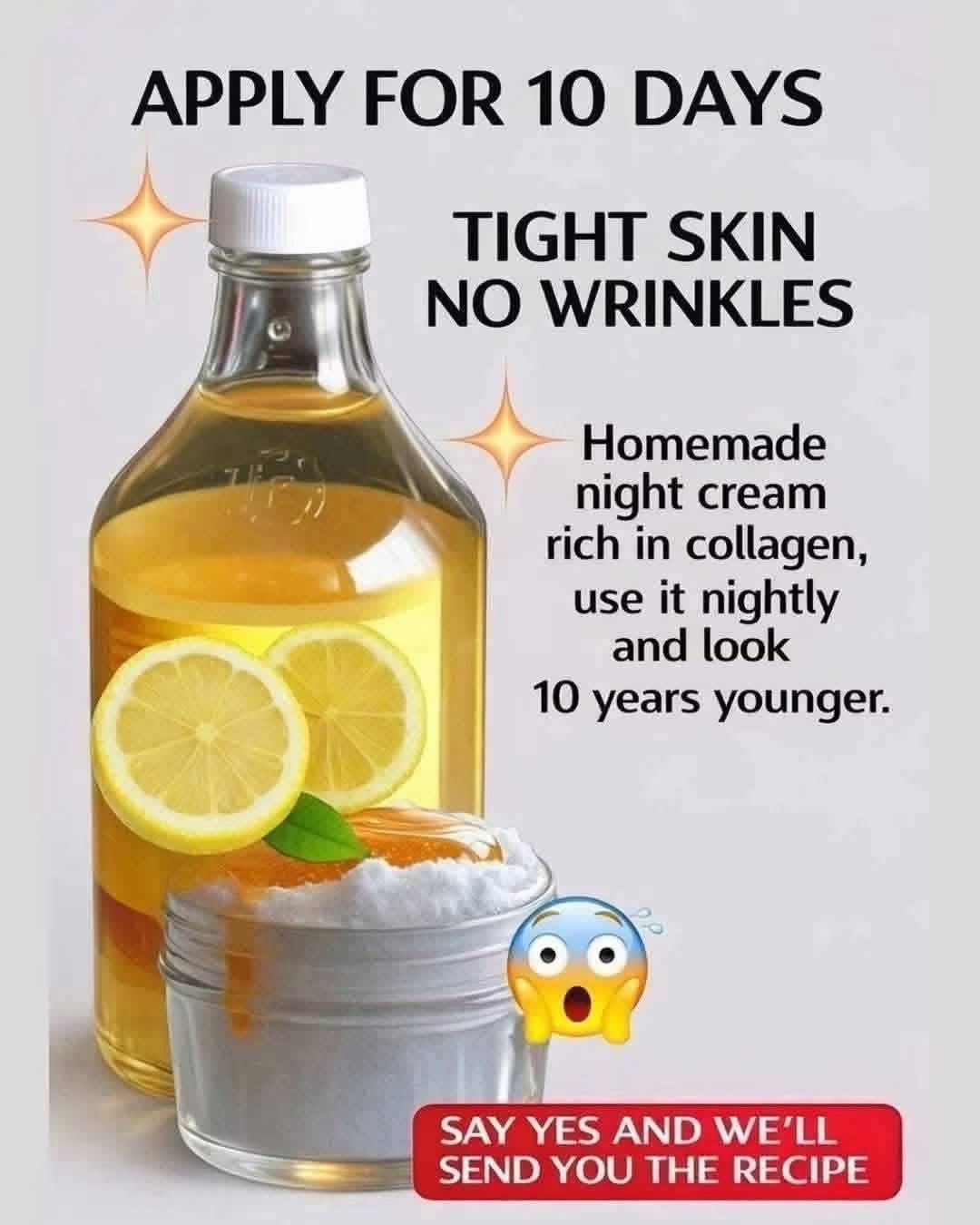
There is an enduring fascination with achieving radiant, youthful skin using simple ingredients found right in your own kitchen. Across social media and lifestyle blogs, viral DIY beauty remedies frequently promise dramatic transformations—such as tighter skin, vanished wrinkles, and looking ten years younger in just ten days. While commercial skincare products often carry hefty price tags, crafting natural concoctions at home allows you to explore traditional beauty rituals that focus on deep moisturization, exfoliation, and nourishment.
The Reality Behind Viral DIY Skincare Claims
- Dermatological Limitations: While natural ingredients like honey, citrus, and plant oils provide excellent surface hydration and temporary plumping, they cannot structurally replicate medical-grade collagen or reverse deep dermal aging in a matter of days.
- The Importance of Patch Testing: Natural ingredients can still cause irritation, contact dermatitis, or allergic reactions, making a patch test on your inner arm essential before applying anything to your face.
- Photosensitivity Risks: Ingredients containing citrus juices (such as lemon) can cause severe skin irritation or chemical burns when exposed to sunlight, which is why treatments containing them should strictly be used as evening routines.
- Consistency and Realistic Expectations: True skin health relies on long-term daily habits, including sun protection, hydration, proper sleep, and gentle cleansing.
Ingredient Notes for DIY Beauty Care
When experimenting with homemade skincare mixtures, the quality and purity of your ingredients matter immensely. Unprocessed, raw honey acts as a natural humectant that draws moisture into the skin while providing soothing antioxidant properties. Plant-based carrier oils, such as sweet almond oil or jojoba oil, mimic the skin’s natural sebum, offering deep nourishment without clogging pores.
Fresh citrus elements, like lemon juice, are frequently featured in brightening remedies due to their natural vitamin C and exfoliating citric acid content. However, they must be used sparingly and cautiously, especially on sensitive or broken skin. Always ensure your mixing bowls, storage jars, and application tools are thoroughly sanitized to prevent introducing bacteria to your skin.
Step-by-Step Guide: Nourishing Honey and Citrus Night Glow Mask
For those looking to try a traditional, hydrating kitchen-crafted facial treatment, this soothing mask combines natural humectants and gentle brighteners for an evening pampering session.
- Sanitize your workspace: Ensure your hands, glass mixing bowls, and storage containers are thoroughly washed and dried before beginning.
- Measure the base: In a clean bowl, combine 2 tablespoons of raw, organic honey with 1 tablespoon of pure aloe vera gel.
- Add the brightener: Stir in 1/2 teaspoon of freshly squeezed lemon juice, taking extreme care not to use too much to avoid skin irritation.
- Incorporate a carrier oil: Add 1/2 teaspoon of sweet almond oil or jojoba oil to boost the moisturizing barrier and create a smooth, spreadable consistency.
- Mix thoroughly: Whisk all the ingredients together until they form a cohesive, silky serum or gel consistency.
- Application: Gently massage a thin layer onto clean skin before bedtime, avoiding the immediate eye area. Leave it on for 10 to 15 minutes, then rinse thoroughly with lukewarm water and pat dry.
Nutrition & Topical Snapshot
Please note that topical DIY remedies vary widely based on individual skin types, and these homemade mixtures are intended solely for cosmetic surface pampering rather than medical dermatological treatment.
- Primary Benefits: Surface hydration, temporary plumping, and gentle exfoliation.
- Key Elements: Natural humectants, antioxidants, and vitamins.
- Recommended Usage: 1 to 2 times per week rather than nightly, depending on skin sensitivity.
Storage & Preservation Instructions
Because homemade skincare treatments formulated with fresh ingredients lack chemical preservatives and stabilizers, they are highly perishable. It is always best to mix these remedies fresh in small, single-use portions. If you do prepare a small batch to use over a couple of days, store it tightly sealed in a sterile glass jar in the refrigerator and discard any remaining product after 48 hours to prevent bacterial growth.
Budget Note
One of the greatest appeals of kitchen-crafted beauty remedies is their incredible affordability. Utilizing pantry staples like honey, olive oil, sugar, and lemons allows you to experiment with spa-like self-care rituals for a fraction of the cost of commercial luxury serums, making beauty maintenance accessible on any budget.
Variations to Try
If you have dry skin and want a richer moisturizing experience, substitute the aloe vera gel with mashed avocado or heavy cream to provide an intense boost of fatty acids and deep conditioning.
For a gentle exfoliating treatment, mix a tablespoon of finely ground oatmeal or brown sugar into your honey base to help slough away dead skin cells while you cleanse.
If you prefer a soothing botanical profile, replace the citrus juice with cooled chamomile or green tea, which provides calming anti-inflammatory properties for stressed or irritated skin.
Frequently Asked Questions
Can homemade night creams really reverse wrinkles in 10 days? No topical cream—whether homemade or luxury commercial—can completely erase wrinkles or reverse deep skin aging in ten days. While moisturizing ingredients can plump the skin and temporarily soften the appearance of fine lines, dramatic anti-aging results require long-term skincare habits and professional dermatological care.
Is it safe to leave lemon juice on my skin overnight? Leaving lemon juice or other citrus acids on your skin overnight is strongly discouraged. Citrus can cause severe irritation, dryness, and phytophotodermatitis—a painful chemical reaction that occurs when citrus-treated skin is exposed to ultraviolet light.
How often should I use DIY face masks? Homemade masks containing active kitchen ingredients like citrus or physical exfoliants should generally be limited to once or twice a week to avoid compromising your skin’s protective moisture barrier.
What should I do if my skin reacts negatively to a homemade mask? If you experience any stinging, redness, burning, or itching, wash the product off immediately with cool water and a gentle cleanser. Discontinue use and consult a dermatologist if irritation persists.
Related Articles & Recipes