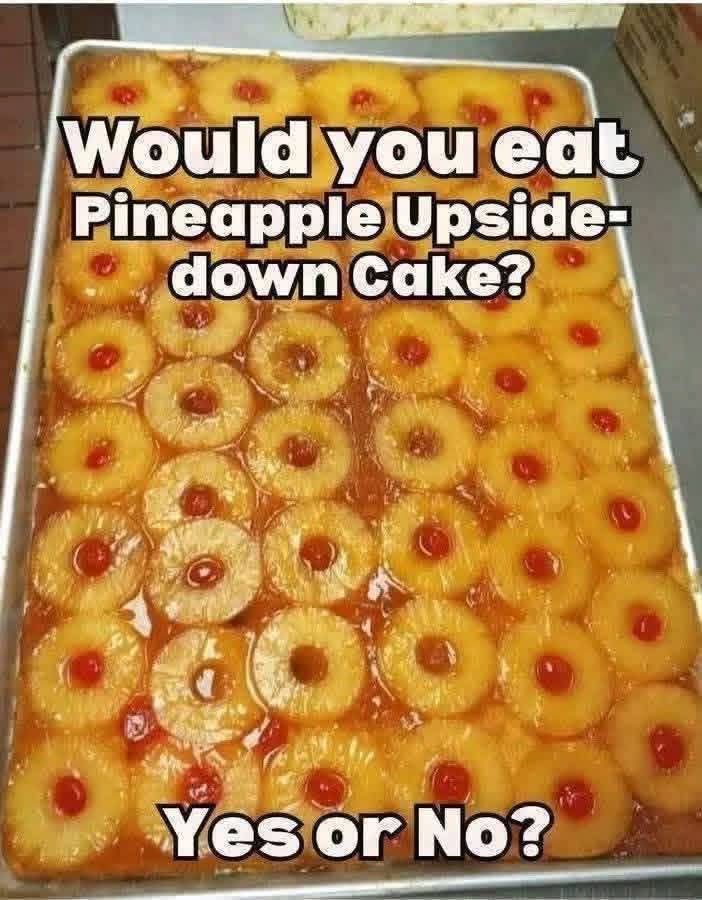
If you grew up in the 1950s, 60s, or 70s, chances are you’ve seen a cake like this sitting proudly on a family table. It’s the kind of old-fashioned dessert that reminds people of Sunday dinners, church gatherings, family reunions, school bake sales, and afternoons spent in the kitchen.
Simple ingredients, a tender crumb, a sweet homemade frosting, and that unmistakable vintage charm—this is the kind of cake that doesn’t need to be fancy to be memorable.
YES or NO — would you eat a slice? 🍰❤️
🌸 Introduction
There is something special about vintage cakes. They weren’t necessarily decorated with elaborate designs or covered in complicated toppings. Instead, they relied on familiar pantry ingredients and careful home baking.
This classic version is soft, buttery, lightly vanilla-scented, and finished with a creamy old-fashioned frosting. It’s perfect with coffee, tea, or a cold glass of milk.
The best part? It tastes like the kind of cake that could have been waiting for you on Grandma’s kitchen table.
🛒 Ingredients
For the Cake
- 2 cups all-purpose flour
- 1½ teaspoons baking powder
- ½ teaspoon salt
- ½ cup unsalted butter, softened
- 1½ cups granulated sugar
- 3 large eggs
- 2 teaspoons vanilla extract
- ¾ cup whole milk
- ½ cup sour cream
- ½ teaspoon baking soda
For the Classic Frosting
- ½ cup unsalted butter, softened
- 3 cups powdered sugar
- 1 teaspoon vanilla extract
- 3–4 tablespoons milk
- Pinch of salt
Optional Decorations
- Shredded coconut
- Chopped walnuts or pecans
- Sprinkles
- Maraschino cherries
- A light dusting of powdered sugar
👩🍳 Instructions
1. Prepare the Oven
Preheat your oven to 175°C / 350°F.
Grease and lightly flour a 9 × 13-inch baking pan, or use two 8-inch round cake pans.
Set aside.
2. Mix the Dry Ingredients
In a medium bowl, whisk together:
- Flour
- Baking powder
- Baking soda
- Salt
Mix well so the leavening ingredients are evenly distributed.
Set the bowl aside.
3. Cream the Butter and Sugar
In a large mixing bowl, beat the softened butter and granulated sugar until light and fluffy.
This usually takes about 3–4 minutes with an electric mixer.
This step helps create a lighter cake texture.
4. Add the Eggs
Add the eggs one at a time.
Beat well after each addition.
Add the vanilla extract and mix until incorporated.
5. Combine Everything
Add the dry ingredients gradually, alternating with the milk.
Begin with some of the flour mixture, followed by some milk, then repeat.
Finally, gently mix in the sour cream.
Don’t overmix once the flour has been incorporated.
The batter should be smooth and fairly thick.
🎂 Baking Method
Pour the batter into the prepared pan.
Smooth the surface with a spatula.
Place the cake in the preheated oven.
Bake for approximately 30–38 minutes, depending on the pan and your oven.
The cake is ready when:
- The top is lightly golden.
- The center springs back gently when touched.
- A toothpick inserted into the center comes out clean or with a few moist crumbs.
Remove from the oven and allow the cake to cool completely before frosting.
🧁 Make the Frosting
Place the softened butter into a mixing bowl.
Beat until creamy.
Gradually add the powdered sugar, mixing between additions.
Add the vanilla and a pinch of salt.
Add the milk one tablespoon at a time until the frosting reaches a smooth, spreadable consistency.
Beat for another 1–2 minutes until fluffy.
🎂 Frost the Cake
Once the cake has cooled completely, spread the frosting evenly over the top.
For a true vintage appearance, keep the decoration simple.
You can sprinkle the top with:
- Coconut
- Chopped pecans
- Walnuts
- Colorful sprinkles
Or simply leave it with a smooth layer of frosting.
Sometimes the simplest cakes are the prettiest.
🕰️ A Little History
During the 1950s, 1960s, and 1970s, homemade cakes were an important part of family celebrations and everyday gatherings.
Many households relied on basic baking staples such as flour, sugar, butter, eggs, and milk. Recipes were frequently handwritten on index cards, clipped from newspapers, printed in community cookbooks, or passed from one generation to another.
Cakes were often prepared for birthdays, holidays, Sunday meals, church events, neighborhood gatherings, and family reunions.
What made these cakes memorable wasn’t necessarily complicated decoration—it was the tradition surrounding them.
A particular cake could become associated with a grandmother, an aunt, a childhood birthday, or a favorite family gathering.
🌾 The Benefits of Homemade Baking
This is a dessert, so it should be enjoyed as a treat rather than viewed as a health food.
However, baking at home has some practical advantages:
🧈 Ingredient Control
You choose exactly what goes into the cake.
🏠 Homemade Flavor
Freshly baked cake has an aroma and texture that’s difficult to replicate.
👨👩👧 Family Tradition
Preparing traditional recipes together can help preserve family memories and cooking traditions.
🍰 Customization
You can easily change the frosting, toppings, or flavor while keeping the basic cake recipe.
✨ How the Cake Forms
The texture of the cake comes from several ingredients working together.
Butter contributes richness and tenderness.
Sugar provides sweetness and helps create a soft crumb.
Eggs contribute structure and richness.
Flour provides the framework that holds the cake together.
Baking powder and baking soda produce gas during baking, helping the cake rise.
Milk and sour cream contribute moisture and tenderness.
As the batter heats in the oven, the ingredients transform into a soft, golden cake with a tender interior.
💡 Vintage Baking Tips
Don’t overmix
Once the flour is added, mix only until combined. Overmixing can make the cake tougher.
Use room-temperature ingredients
Room-temperature butter, eggs, and dairy generally combine more easily.
Don’t open the oven too early
Opening the oven repeatedly can interfere with the cake’s rise.
Let it cool completely
Frosting a warm cake can cause the frosting to melt.
Keep the decoration simple
If you’re trying to recreate the nostalgic look of a mid-century homemade cake, simple frosting and classic toppings work beautifully.
❤️ For the Cake Lovers
This is for the people who believe the best desserts don’t need to be complicated.
It’s for anyone who remembers walking into the kitchen and seeing a cake cooling on the counter.
It’s for the families who passed recipes around handwritten cards.
It’s for the grandparents who could make something delicious with a handful of ordinary ingredients.
And it’s for anyone who still believes that a homemade cake can bring everyone to the table.
☕ How to Serve It
Serve a generous slice with:
- Coffee ☕
- Tea
- Cold milk 🥛
- Hot chocolate
- Fresh berries
- A spoonful of whipped cream
- Vanilla ice cream
For an extra nostalgic presentation, serve the cake on a simple cake stand with a cup of coffee beside it.
🍰 Conclusion
This classic vintage cake is more than just flour, butter, sugar, and eggs.
It’s a reminder of a time when recipes were shared by hand, desserts were made for gatherings, and a simple homemade cake could become part of a family’s memories for decades.
Soft, buttery, sweet, and wonderfully old-fashioned, it’s exactly the kind of dessert that deserves another place at the table.
So tell me…
❤️ YES — I’d happily eat a slice!
❌ NO — I’ll pass!
Which one are you? 🍰👇