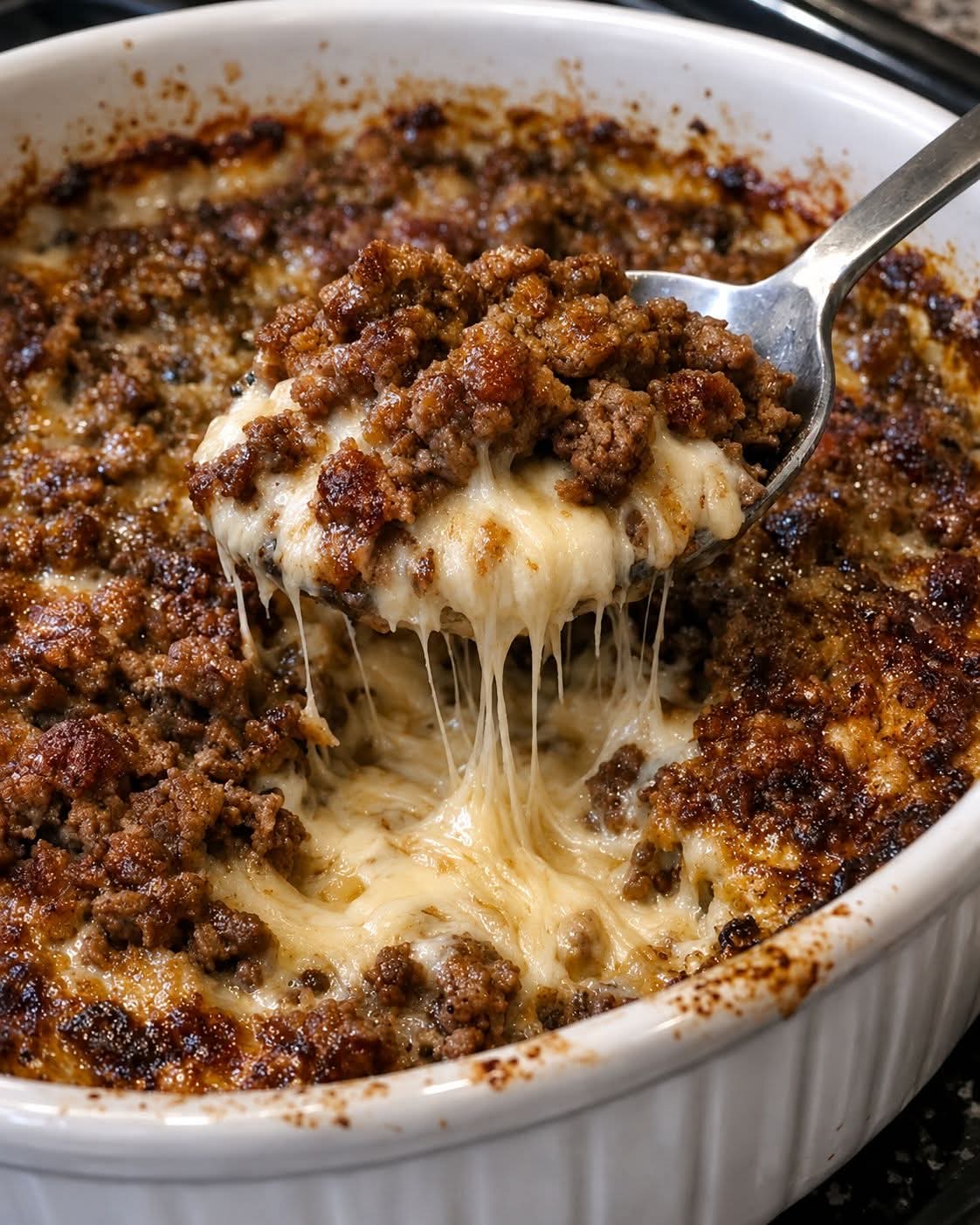
My neighbor wrote this recipe on an index card for me in 1982. It only needed four simple ingredients, yet somehow the platter was always the first one empty at our late-summer block parties.
This is the kind of recipe that reminds us that the best party food doesn’t have to be complicated. A few familiar ingredients, a little preparation, and plenty of time around the table can create something people remember for years.
🌞 Introduction
This old-fashioned potato salad is creamy, comforting, and incredibly easy to make. Tender potatoes are combined with crisp vegetables and a simple creamy dressing to create a classic side dish that’s perfect for picnics, barbecues, family reunions, and summer gatherings.
There are no complicated spices or fancy techniques here. That’s exactly what makes it special.
It’s the kind of recipe you could write on an index card, tuck into a recipe box, and still be making decades later.
🛒 Ingredients
The Four Main Ingredients
- 2½ pounds potatoes, peeled and cut into bite-sized pieces
- 4 large hard-boiled eggs, chopped
- ¾ cup mayonnaise
- ½ cup finely chopped celery
Simple Seasoning
- Salt, to taste
- Black pepper, to taste
- 1 teaspoon yellow mustard, optional
If you’re recreating the strict four-ingredient version, leave out the optional mustard and keep the seasoning very simple.
👩🍳 Instructions
1. Prepare the Potatoes
Wash and peel the potatoes.
Cut them into evenly sized pieces so they cook at approximately the same rate.
Place them in a large saucepan and cover with cold water.
Add a little salt.
Bring the water to a gentle boil.
Cook until the potatoes are tender when pierced with a fork, usually around 10–15 minutes, depending on their size.
Be careful not to overcook them. You want tender potatoes that still hold their shape.
2. Drain and Cool
Drain the potatoes thoroughly.
Spread them out gently on a large plate or baking sheet and allow them to cool.
Cooling the potatoes before adding the mayonnaise helps prevent the dressing from becoming too thin.
3. Prepare the Eggs
Place the hard-boiled eggs on a cutting board.
Chop them into small pieces.
For a more traditional appearance, keep some pieces slightly larger so you can see little pieces of egg throughout the salad.
4. Prepare the Celery
Wash the celery thoroughly.
Trim the ends and finely chop it.
The celery provides an important contrast to the soft potatoes—it adds freshness and crunch.
🥣 Mixing Method
Place the cooled potatoes into a large bowl.
Add the chopped eggs and celery.
Add the mayonnaise.
Gently fold everything together.
Avoid stirring too aggressively because you don’t want to turn the potatoes into mashed potatoes.
Season with salt and black pepper.
If desired, add a small amount of yellow mustard for extra tang.
🧊 Chilling Method
Cover the bowl and refrigerate for at least 1 hour before serving.
For an even better flavor, allow it to chill for several hours.
As it rests, the flavors come together and the potatoes absorb some of the creamy dressing.
Before serving, gently stir the salad once more.
If it looks slightly dry, add a small spoonful of mayonnaise.
🥔 The Formation of the Salad
The texture of this potato salad comes from the contrast between its ingredients.
The potatoes create a soft, creamy base.
The eggs add richness and a tender texture.
The mayonnaise brings everything together into a smooth dressing.
The celery adds a crisp, fresh crunch.
The result is a creamy salad with enough texture to keep every bite interesting.
🕰️ A Little History
Potato salad has a long history, with different versions appearing in many culinary traditions.
Potatoes became an especially important ingredient in home cooking because they were affordable, versatile, filling, and easy to prepare.
By the middle of the 20th century, creamy potato salads had become familiar favorites at American picnics, barbecues, church gatherings, family reunions, and neighborhood parties.
During the 1950s through the 1980s, handwritten recipe cards were a common way of sharing treasured recipes.
A neighbor might write down a recipe after a gathering, pass along a family favorite, or give someone a recipe after being asked, “How did you make this?”
That’s what makes a recipe card from 1982 so special.
It’s not simply a list of ingredients.
It’s a little piece of someone’s kitchen history.
🌿 Benefits of the Ingredients
This is a traditional comfort-food side dish rather than a health-focused recipe, but its ingredients still contribute useful nutrients.
🥔 Potatoes
Potatoes provide carbohydrates for energy, along with potassium and some fiber, particularly when prepared with the skin.
🥚 Eggs
Eggs provide protein and several important vitamins and minerals.
🌿 Celery
Celery contributes water, fiber, and small amounts of vitamins and minerals while adding freshness and crunch.
🥄 Mayonnaise
Mayonnaise provides richness and helps create the creamy texture that defines this style of potato salad.
Because this is a rich side dish, it’s best enjoyed as part of a varied meal.
🍽️ Perfect for Summer Gatherings
This potato salad belongs on a crowded summer table.
Serve it alongside:
- Grilled chicken
- Hamburgers
- Hot dogs
- Barbecue ribs
- Grilled vegetables
- Baked beans
- Corn on the cob
- Sandwiches
- Fried chicken
It’s particularly good with smoky grilled foods because the cool, creamy salad balances the richness of the main dish.
💡 Helpful Tips
Don’t overcook the potatoes
Soft is good. Falling apart isn’t.
Cut everything evenly
Similar-sized pieces make every serving more balanced.
Cool before mixing
Warm potatoes can thin the mayonnaise dressing.
Don’t overmix
Gentle folding keeps the potato pieces intact.
Give it time
Potato salad tastes even better after resting in the refrigerator.
Keep it cold
Because this recipe contains eggs and mayonnaise, keep it refrigerated and don’t leave it sitting out for long periods, especially during warm-weather gatherings.
❤️ For the Potato Salad Lovers
There are people who can walk past a dessert table without looking twice.
But put a big bowl of homemade potato salad on the table?
Suddenly everyone needs “just one little scoop.”
Then someone comes back for another.
Then someone asks who made it.
Then the recipe disappears into someone’s phone—or, in the old days, onto an index card.
That’s how beloved recipes survive.
🧺 The Perfect Picnic Version
For a late-summer picnic, prepare the salad several hours ahead and keep it thoroughly chilled.
Transport it in an insulated cooler with ice packs.
Once the meal begins, serve only what you expect people to eat soon and keep the remainder chilled.
This keeps the salad safer and fresher while preserving its creamy texture.
📝 The 1982 Recipe Card Feeling
If you want the true vintage experience, imagine the original card:
“Potato Salad”
2½ lbs potatoes
4 eggs
¾ cup mayo
½ cup celery
Cook potatoes.
Chop eggs.
Mix everything together.
Chill.
That’s it. ❤️
No ten-page ingredient list.
No complicated instructions.
Just a neighbor’s recipe that somehow became the first empty platter at every summer party.
🌸 Conclusion
This four-ingredient potato salad is proof that some of the most memorable recipes are also the simplest.
Tender potatoes, creamy mayonnaise, chopped eggs, and crisp celery create a classic combination that’s comforting, familiar, and perfect for sharing.
But the real magic isn’t just in the ingredients.
It’s in the memories—the backyard tables, summer evenings, neighbors stopping by, children running around, and everyone returning for another scoop.
Some recipes feed people.
The best recipes bring people together. ❤️
🥔❤️ For the Recipe Lovers
If you love recipes that feel like they came straight from an old family recipe box, save this one.
And now the important question:
YES ❤️ — Would you eat this at a late-summer block party?
NO 😂 — Potato salad isn’t your thing?
Tell me: YES or NO! 👇